
Average Cost for a Land Survey on a Corner Lot
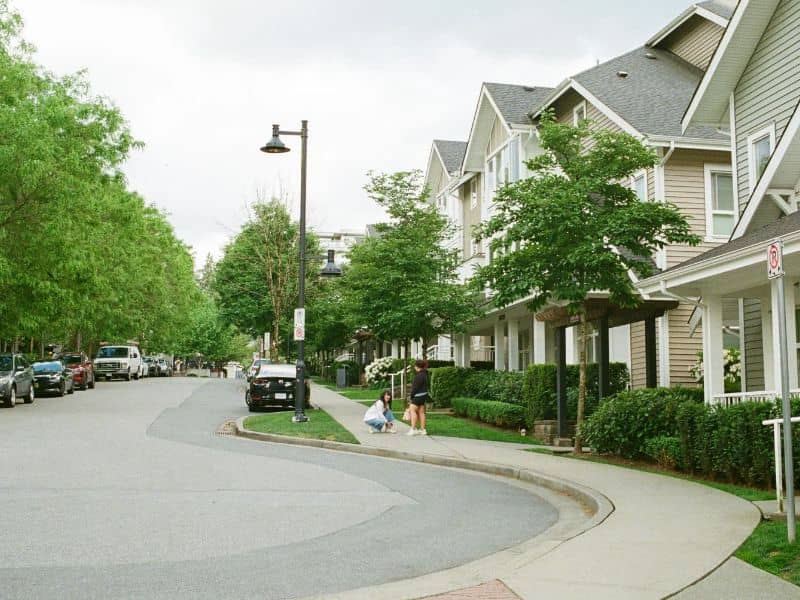
Two homeowners on the same block can request survey quotes on the same day and get different numbers. The owner on the corner usually gets the higher one. That gap surprises people, but it has real reasons behind it.
The average cost for a land survey on a corner lot depends on how much research and field time the surveyor needs. Two street frontages, extra right-of-way lines, and missing corner markers all add work. Knowing what drives the price helps you compare quotes fairly and avoid surprise charges later.
Understanding the Average Cost of a Corner Lot Land Survey
There’s no single price that fits every corner lot. Many standard boundary surveys on platted residential lots fall somewhere between the mid hundreds and the low thousands of dollars. Corner lots often land in the middle or upper part of that range because of the added street lines.
Several factors shape the final number. Lot size, the age of the subdivision, the condition of existing monuments, and the type of survey requested all play a part. A simple boundary survey costs less than one that also shows improvements, flood information, or topography.
Rush timing raises prices too. Closings and permit deadlines often push owners to request quick turnaround, and that can add fees. Ordering early is one of the easiest ways to keep the bill reasonable.
How Street Frontage and Lot Shape Affect Survey Pricing
An interior lot usually touches one street. A corner lot touches two, so the surveyor has more street line to research, measure, and show on the drawing. Each frontage also has its own right-of-way width, curb, sidewalk, and utility features to locate.
Lot shape adds to the work. Many corner lots have a curved or angled line where the two streets meet, often called a corner cutback or radius. Measuring and drawing that curve takes more field shots and more calculation than a square corner.
Irregular lots in older neighborhoods can be trickier still. Streets may have been widened, lots may have been re-platted, and records may disagree. Each conflict takes time to resolve, and that time shows up in the price.
Why Corner Monuments and Right-of-Way Records Influence Survey Costs
Monuments are the iron rods, pipes, or other markers that show property corners. When they’re found in good shape, the survey moves faster. When they’re missing, buried, or disturbed, the surveyor has to search, weigh the evidence, and sometimes set new ones.
Corner lots lose markers more often than interior lots. Sidewalk repairs, driveway work, utility trenches, and street projects tend to disturb the corners closest to the road. Replacing several markers adds field time and materials.
Right-of-way records matter as well. The surveyor needs to know where the public street ends and your lot begins on both sides. That can mean pulling road maps, dedication plats, or widening records, and older streets sometimes have conflicting documents. The more research a lot needs, the higher the quote tends to be.
Comparing Boundary Survey Costs for Corner and Interior Lots
Corner lot surveys often cost somewhat more than interior lots of similar size. The difference comes from extra frontage, curved corners, more monuments to check, and more records to review. On a clean, recently platted lot, the gap can be small.
Interior lots aren’t always cheaper. A deep, narrow interior lot with missing markers and a fence dispute can cost more than a tidy corner lot. Each property’s history matters more than its position on the block.
Look closely at what each quote includes before comparing totals. Ask whether corners will be set, whether improvements will be shown, and whether a flood zone note is part of the drawing. A lower quote with less scope may not meet your lender’s or title company’s needs.
Preparing Property Records Before Requesting a Land Survey Quote
Good records help the surveyor price the job accurately. They also cut research time, which can lower the cost. Gather what you have before you call:
- Your deed and legal description
- Any prior survey of the property
- The recorded subdivision plat, if available
- Your title commitment or title policy
- Notes on fences, driveways, or neighbor concerns
Tell the surveyor why you need the survey. A refinance, a fence project, a home sale, and a building permit can each call for a different scope. Survey requirements vary by lender, title company, and municipality, so confirm what’s needed before you order.
Frequently Asked Questions
What is the average cost of a land survey for a corner lot in Houston?
Prices vary by lot size, survey type, monument condition, and turnaround time. Many residential boundary surveys on platted lots fall between the mid hundreds and the low thousands of dollars, with corner lots often toward the middle or higher end. Records research for older streets and missing markers can push the cost up. Request quotes from licensed surveyors to get a number based on your exact property.
Is a corner lot more expensive to survey than an interior lot?
Often, yes, though the difference may be small. Corner lots have two street frontages, a curved or angled corner, and more right-of-way lines to research. They also tend to lose markers to sidewalk and street work. An interior lot with a complicated history can still cost more.
Does having two street frontages increase land survey costs?
Two frontages usually add some cost. Each street line must be researched, measured, and shown on the drawing. The surveyor also has to locate curbs, sidewalks, and utilities along both sides. How much it adds depends on the condition of the records and markers.
Can missing property corner markers affect the survey price?
Yes, missing markers can raise the price. The surveyor needs extra time to search for evidence, verify positions, and set new monuments. Disturbed corners near streets and sidewalks are common on corner lots. Ask whether setting new markers is included in the quote.
What documents should homeowners provide to get an accurate survey estimate?
Start with your deed, legal description, and any prior survey. A recorded plat and title commitment are also helpful if you have them. Share why you need the survey and when you need it. Mention fences, sheds, or neighbor concerns so the surveyor can plan for them.
