
Boundary Surveying Provides Certainty as Property Lines Face New Development Pressure
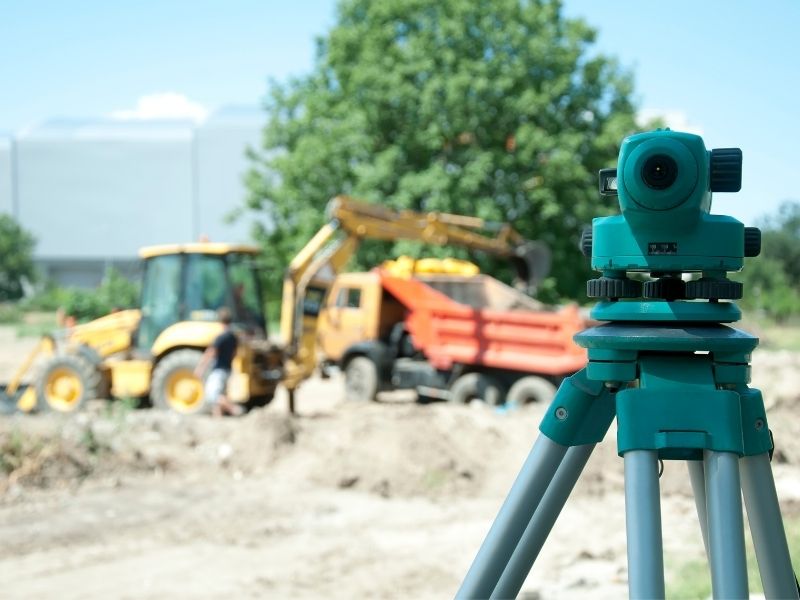
When an area stays quiet and unchanged for many years, property lines often seem clear enough. People rely on fences, old markers, or just long-time use to know where their land begins and ends. But when nearby areas start to grow, build new homes, or expand businesses, everything changes. Land values go up, plans get more detailed, and small questions about lines can turn into big problems. Boundary surveying gives solid proof of exactly where each property stands. It removes guesswork and gives owners clear facts even as the world around them changes.
How New Development Activity Can Increase the Importance of Boundary Verification
In neighborhoods that have stayed the same for a long time, no one usually worries much about exact lines. There is plenty of space, and no one is trying to build close to the edge. But when new projects start nearby, rules become stricter and space becomes more valuable. Builders and planners need to know exactly where one lot ends and another begins.
Old records or memory are often not enough at this stage. Descriptions written decades ago may use landmarks that no longer exist, or measurements that do not match what is on the ground today. A boundary survey checks all these details. It compares legal documents to actual conditions and marks the true lines clearly. This work becomes more important as development picks up speed, because it prevents mistakes that could lead to disputes or legal issues later.
Documenting Existing Occupation Patterns Before Surrounding Land Changes
Over time, owners often build fences, put in driveways, lay out gardens, or create paths that mark how they use their land. These visible features may not always follow the exact legal line, but they become part of how the property is used and understood. When nothing changes around them, this usually causes no trouble.
When new development starts next door, however, these features suddenly matter more. A fence that was accepted for years might be questioned when a neighbor wants to build right up to the line. A boundary survey records all these existing conditions. It notes where fences, driveways, and other improvements sit compared to the true boundary. This creates an official record that shows how the land has been used, which helps avoid arguments when changes begin.
Some of the details it documents include:
- Location of fences, walls, and hedges
- Position of driveways, walkways, and parking areas
- Areas used for storage, gardens, or other daily activities
- Any gaps or overlaps between what is used and what is legally owned
Having this information written down early protects everyone involved.
Supporting Property Owners as Adjacent Construction Expands
When construction starts on a neighboring lot, there is a lot of activity going on at the edge of the property. Heavy equipment, digging, and material storage all take place close to the line. If no one knows exactly where the boundary is, it is easy for work to accidentally cross over. This can damage trees, fences, or even parts of the land itself.
A boundary survey marks the exact lines with visible stakes or markers before any work begins. Both the owner and the construction crew can see clearly where they must stop. This prevents mistakes and gives everyone a shared point of reference. If questions come up later about access, damage, or placement, the survey report serves as fair proof of where the limits lie. It turns possible conflict into clear understanding.
Establishing Reliable Reference Information for Future Land Use Decisions
As an area grows, owners often start thinking about their own plans. They may want to add a room, build a garage, divide the lot, or sell part of the land. To do any of these things, they need to know exactly how much space they have and where it ends.
Without accurate boundary information, every decision is based on guesses. A plan that looks good on paper might not fit the actual size of the lot. A boundary survey creates a fixed, trusted reference point that can be used for years. It becomes the standard for all future plans. Whether the owner wants to improve the property, apply for permits, or explore new options, they can do so with confidence that they are working within their true limits.
Reducing Uncertainty as Property Values and Development Interest Increase
When an area becomes popular for development, land becomes more valuable. This also means that every foot of property matters more. What used to be considered a small difference in measurement can now make a big difference in worth or what can be built.
Uncertainty about boundaries can lower a property’s value or make it harder to sell, insure, or finance. Buyers and lenders want proof that the land matches its description. A boundary survey provides that proof. It shows exactly what belongs to the owner and removes any doubt. In times of change and growth, having this certainty makes it easier to make decisions, protect investment, and move forward without worry.
Frequently Asked Questions
Why does increased development activity create a need for boundary surveying?
As more building happens nearby, space becomes more valuable and rules become stricter. Old assumptions or unclear records are no longer enough. A survey gives exact proof of lines, which prevents mistakes, disputes, and legal problems as the area changes.
What are occupation patterns and why do they matter?
Occupation patterns are the ways people use their land over time, such as where fences, driveways, and gardens are placed. When new development starts, these features can be questioned. A survey records them clearly so everyone understands how the land has been used and where true limits lie.
How can boundary surveying help property owners near active construction projects?
It marks clear lines so construction crews know exactly where they can work. This prevents damage or crossing into the wrong area. If questions or disagreements come up, the survey report serves as objective proof of where the property begins and ends.
Why is accurate boundary information valuable when surrounding land uses change?
It gives owners a solid base for their own plans. Whether they want to build, expand, or sell, they need to know exactly how much land they have. It also protects their investment and makes sure the property stays clear and valuable as the area grows.
How does boundary surveying reduce uncertainty during periods of rapid development?
It replaces guesswork and old descriptions with exact measurements and official records. This removes doubt about where lines are, reduces the chance of conflict, and lets owners make decisions with full confidence even as changes happen all around them.