
What Houston Property Owners Often Discover After Years of Gradual Site Changes
Houston properties change more than most owners realize, and land surveying is often what brings those changes into focus. A yard that looked one way in 2005 can look completely different today, not because of one big project, but because of small ones that piled up over the years. Most owners don’t notice how much has shifted until they start planning something new and realize the property barely looks like what they bought.
Time Has a Way of Reshaping a Property
A property rarely stays the same for long, even when nobody is trying to change it. Trees grow wider and start affecting drainage patterns across the yard. A low spot that held water for years gets filled in, a gravel path gets paved, and a side yard gets fenced off. Before long, the whole site feels different from the day the owner first moved in.
These changes happen slowly enough that most people never track them. Each one makes sense on its own, and none of them feel like a big deal when they happen. But after 15 or 20 years, the gap between what’s on the ground and what the original records show can be pretty wide, and that gap matters a lot when a new project needs accurate site information.
Some Improvements Become So Familiar That Owners Stop Noticing Them
There’s a point where something you added stops feeling like an addition and just becomes part of the property. A storage shed built in 2010 fades into the background. A concrete pad poured for an old RV gets used for something else, and nobody thinks much about it anymore. These features blend into daily life so completely that owners sometimes forget they weren’t always there.
This kind of familiarity makes it easy to lose track of how much the site has changed. An owner planning a new project might sketch out a layout without accounting for a landscape wall that went up years ago, simply because it’s been there so long it stopped registering. That’s not carelessness, it’s just how people experience places they know well. A fresh look at the property based on current measurements often turns up details that haven’t crossed anyone’s mind in years.
Features That Commonly Accumulate Over the Years
Certain types of improvements show up on Houston properties again and again, added one at a time by owners who had specific needs at specific moments. Some of the most common ones include:
- Extended driveways added to handle more vehicles
- Landscape walls built to manage sloping ground or define outdoor areas
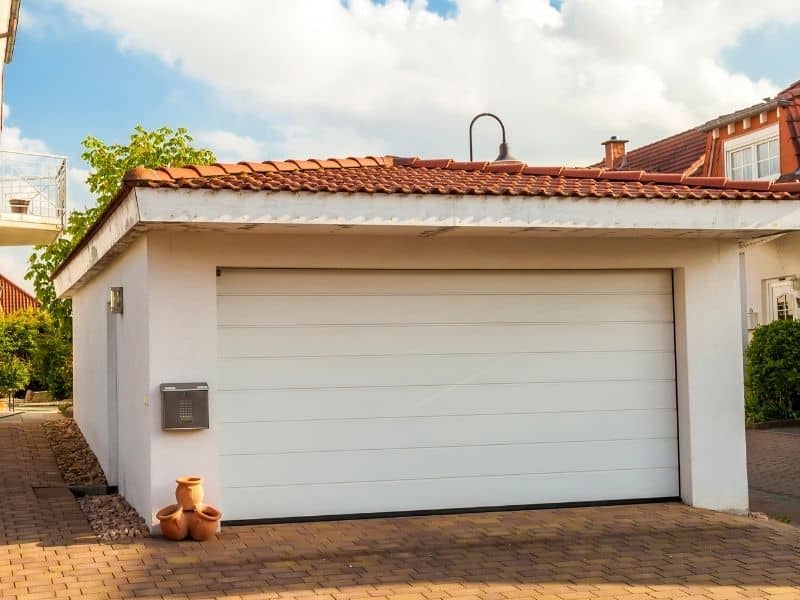
- Detached garages built years after the original house
- Storage buildings added as the household grew
- Outdoor living areas developed over multiple seasons
- Drainage improvements put in after repeated flooding
- Extra parking spaces along the side or rear of the lot
Each of these changes how the property works and how it sits in relation to boundary lines and neighboring lots. When several of them build up over many years, the site can look and function very differently from what any original document would show.
Every Generation Uses the Land a Little Differently
A property that worked well for one family often gets used in a completely different way when new owners take over. What was a large backyard for one household becomes a workshop space for the next. A side lot used for gardening becomes a parking area. A detached structure that was once a playroom gets turned into a home office. None of this is unusual, and most of it happens without anyone pulling out the original survey to check where the boundaries sit.
This pattern of changing use across different owners is one of the main reasons properties drift so far from their original recorded condition. Each owner made sensible decisions based on their own needs, and most of those decisions changed something physical on the site. By the time a property has gone through two or three owners, the changes can be hard to keep track of without current professional measurements.
Seeing the Property With Fresh Eyes
Most Houston property owners only take a close look at their site when they’re about to do something new. A planned addition, a sale, or a permit application suddenly requires current information, and that’s when the gap between memory and reality tends to show up. What an owner thinks is true about their property and what a current survey actually shows are often two very different things.
A land surveyor gives owners a current picture of the property based on what’s there today, not what got recorded years ago. That information gives everyone a clear starting point for whatever comes next, whether it’s a new building project, a boundary question with a neighbor, or just a better understanding of what the property actually contains. Getting that current picture is usually the first step toward making confident decisions about land that has been quietly changing for a long time.
FAQ
Why do properties change over time?
Natural growth, owner improvements and shifting household needs all play a role, and the changes tend to build up gradually without anyone keeping a formal record of them.
What types of features commonly accumulate over the years?
Driveways, detached garages, storage buildings, landscape walls, outdoor living areas and drainage improvements are among the most common additions that build up on Houston properties over time.
Can different owners use the same property in different ways?
Yes. Each new owner typically adapts the property to fit their own needs, and those changes add up across multiple owners to create a site that looks very different from its original condition.
Why do owners sometimes overlook long-standing site features?
Features that have been part of a property for many years become part of the background, and owners stop actively thinking of them as changes that affected the original layout.
How does a land surveyor help property owners understand their site?
A land surveyor measures and documents current conditions on the ground, giving owners accurate information that reflects what’s actually there today rather than what older records show.